Bar NYC Guide to Relaxed Luxury and Great Service
@claytonhyoa007
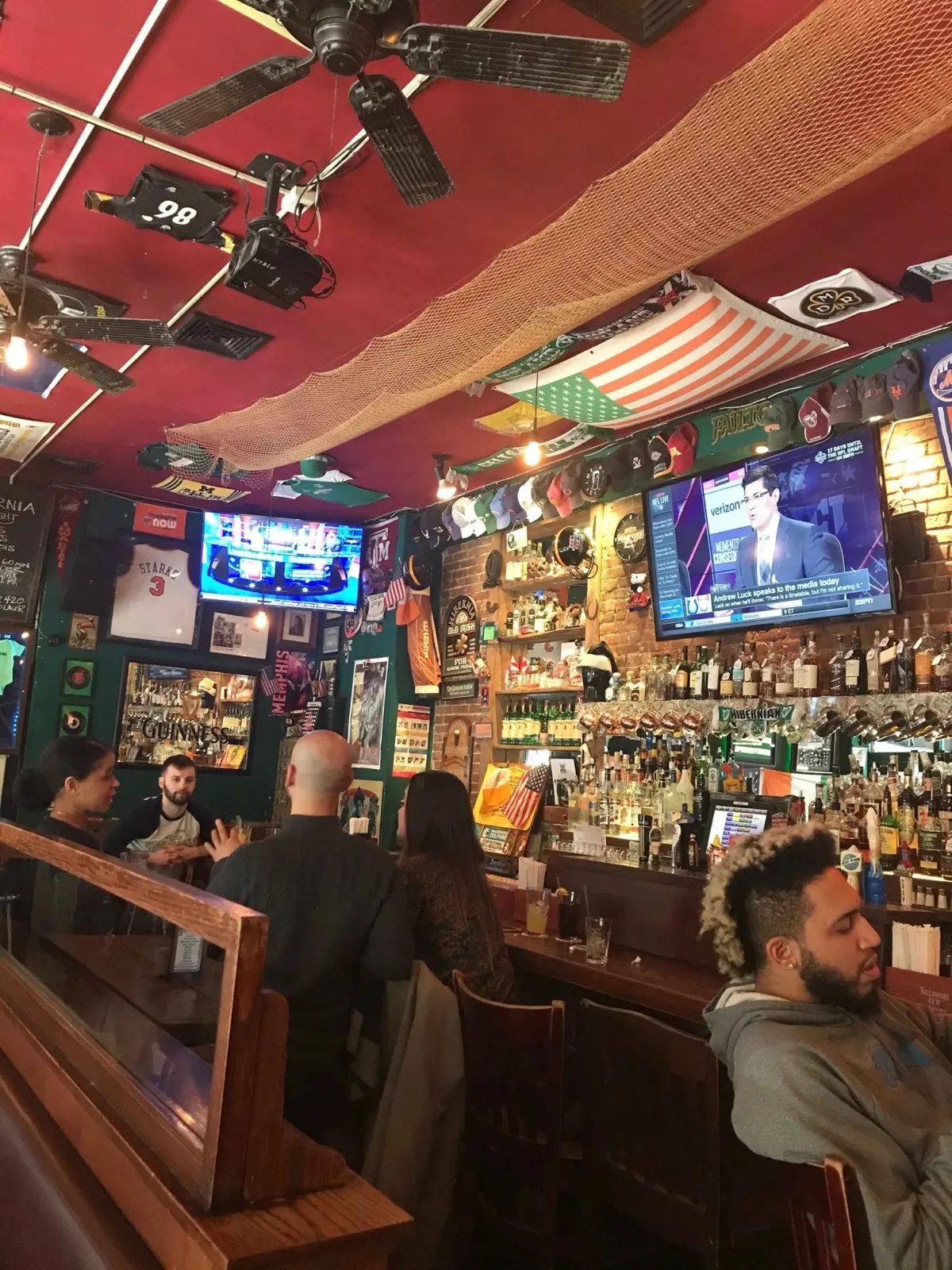
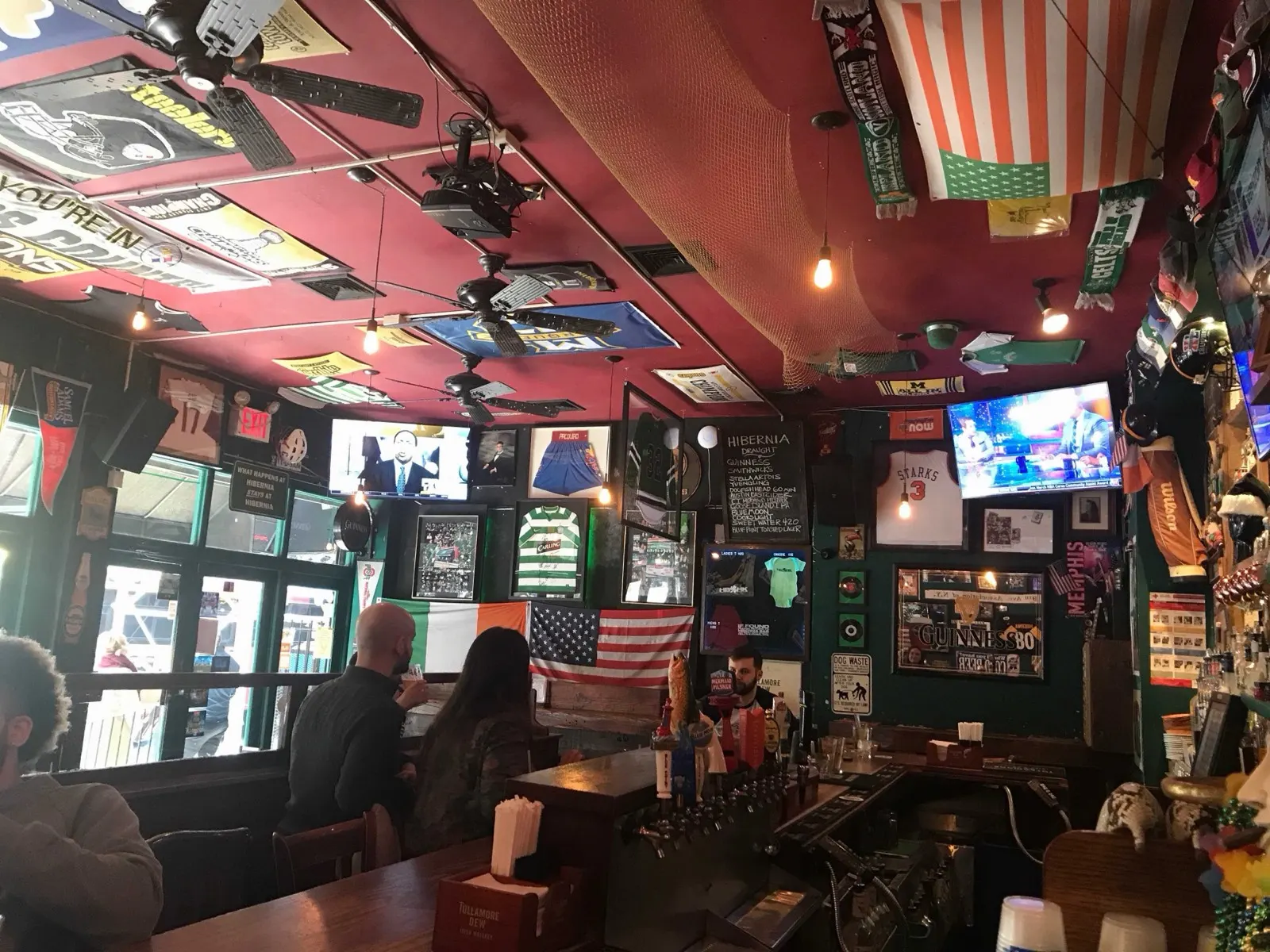
New York has never had a shortage of bars with ambition. What is harder to find, and much more worth seeking out, is a bar that feels polished without becoming stiff, indulgent without becoming loud, and attentive without making guests feel managed. That balance is the sweet spot of a great Bar NYC experience, and it is the difference between a room you admire for twenty minutes and one you want to return to all year.
Relaxed luxury is often misunderstood. It is not just velvet banquettes, expensive spirits, or a skyline view. Those things help, but they do not carry the evening on their own. The feeling comes from details that are less visible and far more important: the host who acknowledges you even when the room is packed, the bartender who reads whether you want to chat or be left to your company, the glassware that feels right in the hand, the acoustics that let people speak in a normal voice, and a drinks program with enough confidence to be interesting without becoming Bar NYC theatrical.
In New York, where hospitality can swing from indifferent to overproduced, this category matters. The city moves fast, and most people are juggling time, money, and expectations. If you are meeting a client, starting a date, celebrating a promotion, or simply trying to have one excellent martini after a hard week, service and atmosphere count as much as the drink itself. A room can be beautiful and still fail if you spend the first fifteen minutes trying to flag someone down. A cocktail can be technically perfect and still feel joyless if it arrives with a lecture attached.
The best bars in this lane understand that luxury is really a form of ease. You are paying, directly or indirectly, for friction to disappear.
What relaxed luxury looks like in a New York bar
There is a practical side to elegance, and regular bar-goers notice it quickly. Seating is arranged so you are not brushing coats with strangers every time someone stands up. Lighting flatters the room instead of forcing everyone to read menus by phone light. Music has shape and personality, but it is not trying to dominate the night. Staff move with purpose. You never feel ignored, and you never feel rushed.
A strong Bar NYC destination in this category usually has a clear point of view, though not always a flashy one. Sometimes it is a grand hotel bar that has spent decades refining pace and polish. Sometimes it is a downtown cocktail room where everything looks understated until you notice the precision in the ice, the consistency of the stirred drinks, and the way each table is reset within seconds of a guest leaving. Sometimes it is a neighborhood spot with unusually mature hospitality, where the team remembers how often regulars like their whiskey and has the judgment to offer a second round at exactly the right moment.
Service is where the whole concept either succeeds or collapses. Great service in New York is not about constant interruption or forced warmth. It is about timing and perception. Skilled bartenders know when to explain a drink and when to keep it to a single sentence. They know when a guest wants to explore mezcal, when they want a familiar gin martini, and when they are asking for a recommendation because they truly want guidance rather than a scripted sales pitch. The room feels generous because the people working in it are paying attention.
This is not easy to execute. New York bars deal with volume, transient crowds, tourists, regulars with exacting standards, and nights when reservations run late and walk-ins all appear at once. The rooms that still make it feel smooth are usually operating with disciplined systems behind the scenes. Reservations are managed with realism. Bartenders communicate with servers. Hosts know how to protect the energy of the room. Managers step in before small problems become visible ones.
Neighborhood matters more than most guides admit
People often search for the best bar in the city as if New York functions as one compact entertainment district. It does not. The best choice depends heavily on where you are, what kind of evening you want, and how much travel friction you can tolerate.
Midtown, for example, has some of the city’s strongest classic hotel bars and polished business-friendly rooms. This part of town is often dismissed by locals who are focused on trendier neighborhoods, but that is a mistake. If your priorities are consistency, comfort, and staff who know how to handle guests from around the world, Midtown can deliver some of the most dependable luxury bar experiences in the city. The downside is that some venues can feel transactional at peak corporate hours, especially on weekday evenings.
The West Village and nearby downtown neighborhoods tend to lean more intimate. You will find smaller rooms, lower ceilings, and a stronger sense of personality. The right place here can feel effortless in a way that larger spaces rarely do. The trade-off is access. Small, excellent bars fill up fast, and a spontaneous stop can turn into a long wait. Service may still be excellent, but space constraints make every weak point more obvious. If the host stand is disorganized or the bar is packed too tightly, the sense of luxury evaporates quickly.
SoHo and Tribeca often attract guests who want design-conscious spaces with a little more fashion and scene energy. When done well, these neighborhoods offer some of the city’s sharpest combinations of visual polish and serious drinks. When done poorly, they can feel expensive and emotionally flat. A room can have beautiful stone counters, excellent back-bar selection, and all the right labels, then somehow leave you wanting to finish one drink and leave. That usually comes down to service that feels detached rather than composed.
On the Upper East Side, the standards are different in a useful way. Guests often value comfort, familiarity, and old-school professionalism. Some of the best service in the city exists in rooms that do not chase novelty at all. You go because you know the martini will be cold, the snacks will arrive promptly, and no one is trying to reinvent your evening. There is real luxury in that kind of reliability.
Brooklyn enters the Bar NYC conversation differently. In neighborhoods like Williamsburg, Cobble Hill, and parts of Greenpoint, you can find bars that deliver excellent cocktails and genuine warmth without the formal sheen of Manhattan hotel culture. If your version of luxury is less about chandeliers and more about feeling instantly at ease in a beautifully run room, Brooklyn deserves serious attention.
The cocktail list matters less than execution
Many guests overrate originality and underrate precision. A twelve-drink menu full of clever ingredients can be fun, but it does not automatically translate into a better night. In fact, some of the strongest bars in New York keep their menus relatively concise because complexity behind the scenes often slows service and creates inconsistency.
The best luxury bars tend to handle classics exceptionally well. That may sound obvious, yet it remains a reliable test. If a bar cannot produce a balanced Negroni, a proper Manhattan, or a clean, cold martini without unnecessary flourish, there is little reason to trust the more inventive side of the menu. A polished room should be able to do both. It should make a serious classic for the guest who wants certainty and also provide a few house drinks that show intelligence rather than gimmickry.
Glassware and dilution are two areas where professionals quietly judge a place. A drink served in an elegant but impractical glass can feel like a design choice winning over hospitality. Likewise, an over-diluted stirred cocktail is one of the fastest ways to make a luxury setting feel careless. New York drinkers are sophisticated enough now that these details are noticed, even by guests who would not describe them in technical terms. People may not say, “the stirring time was off,” but they will say, “it just wasn’t great.”
Food matters more than many bar operators want to admit. A thoughtful short menu can elevate the entire experience, especially if the room is designed for longer stays. Salted nuts in a silver bowl can be enough in the right setting. In other places, strong bar snacks or a few composed small plates are essential. The key is proportion. The food should support the evening, not distract from it or turn the room into an awkward half-restaurant.
What great service actually feels like
There is a moment in every good bar visit when you stop noticing the mechanics. Water appears when needed. Empty glasses do not linger too long. A second round is offered at the right interval. If something is unavailable, the alternative suggestion sounds informed rather than opportunistic. These are not glamorous skills, but they are the ones that separate top-tier hospitality from average service in expensive clothing.
I have always thought the clearest sign of mature service is how a place handles small complications. Maybe your guest is late. Maybe the first choice of table is not ideal. Maybe someone in your group wants a spirit-free drink that still feels serious. In lesser rooms, these moments create drag. In better ones, they are smoothed over with calm efficiency. Nobody makes the guest feel like a burden for having a normal human need.
Another good marker is restraint. Some staff mistake attentiveness for frequency. They check in too often, interrupt conversations, or deliver long explanations when a guest is signaling the opposite. High-end service should feel observant, not intrusive. The bartender who notices your half-finished drink and lets you sit with it is often better than the one who is back every three minutes asking whether you are “still working on that.”
Luxury also means consistency across the team. One charming bartender cannot compensate for a disengaged host, a rushed server, or a manager who only appears when something goes wrong. The strongest Bar NYC venues have a culture that guests can feel from the door onward. Everyone seems to understand the standard. Even on a busy night, the room keeps its tone.
Picking the right bar for the occasion
A common mistake is choosing a venue based only on reputation. A celebrated cocktail bar may be completely wrong for a first date if the stools are cramped and the playlist is too aggressive. A gorgeous hotel lounge may be a weak choice for catching up with old friends if the room expects short stays and constant turnover. Context matters.
For business meetings, privacy and acoustic control often matter more than creativity. You want a bar where the staff understand pacing, where the seats support a ninety-minute conversation, and where ordering feels seamless. A classic room with polished but discreet service usually beats a trend-driven cocktail den in this scenario.
For dates, lighting and emotional temperature become more important. The right room should allow for conversation while still giving the evening some atmosphere. Service should be warm without becoming performative. There is a reason so many people return to bars that know how to get this balance right. A good date bar never feels like it is trying too hard.
Celebrations call for a slightly different lens. Here, the room can handle more energy, but it still needs operational discipline. If the service team cannot keep glasses full, coordinate rounds, and maintain momentum for a group, the mood slips fast. Some of the city’s most glamorous bars struggle with exactly this because they are optimized for image more than flow.
If your goal is solitary unwinding, the bar itself matters most. You want a seat with proper spacing, staff who can read your mood, and a drinks list that supports repetition. One sign of a strong room is whether it feels comfortable for a single guest at 5:30 p.m. As well as for a couple at 9:00. Not every place can do both.
Practical ways to improve your odds
There is no perfect strategy for New York, but a little planning goes a long way. The city rewards guests who understand timing.
- Arrive early if a place does not take reservations, especially for smaller downtown bars.
- If reservations are available, use them for Thursday through Saturday nights, even for drinks.
- Sit at the bar when you want direct engagement and faster rhythm.
- Choose off-peak hours for a more relaxed experience, often between 5:00 and 7:00 p.m. Or later after 10:00.
- If service matters most, favor established operators over brand-new openings in their first few weeks.
These habits are not glamorous, but they work. Some of the best experiences I have had in New York came from taking a 6:00 p.m. Seat at a room that would be chaotic by 8:15. The same team, same drinks, same décor, entirely different night.
Price, value, and the reality of New York
Luxury in New York is expensive, and there is no point pretending otherwise. A strong cocktail in a top-tier room can easily land in the mid-20-dollar range, sometimes higher in major hotel bars or destinations with rare spirits and elevated overhead. Wine by the glass in prestige settings can climb quickly, and small snacks may be priced more like restaurant starters than casual bar food.
Still, cost and value are not the same thing. Guests are generally willing to pay premium prices when the whole experience is coherent. If the drink is excellent, the seat is comfortable, the room is beautiful, and the service is graceful, most people leave feeling they got what they came for. Resentment usually appears when pricing aims for luxury but execution lands somewhere ordinary.
A mediocre twenty-eight-dollar cocktail is irritating. A very good twenty-eight-dollar cocktail delivered in a room that makes an evening feel easy can be worth it. New Yorkers understand this intuitively. What they do not forgive is sloppiness disguised as exclusivity.
There is also an important distinction between expensive and generous. Some bars pour with real confidence, give thoughtful snacks, and make guests feel cared for even while charging premium prices. Others nickel-and-dime every interaction and somehow create scarcity inside abundance. The latter approach rarely builds loyalty.
Signs that a bar is built to last
Trends move quickly in the city, but the bars that earn lasting reputations tend to share a few qualities. They know who they are. They do not overhaul the concept every six months. They take training seriously. They maintain standards when the room is full, not just when critics are present. Most importantly, they understand that repeat business is built on trust.
There is a particular comfort in walking into a bar that has survived changing tastes because it continues to deliver the basics at a high level. The room might update its menu, refresh upholstery, or bring in a new head bartender, but the core promise stays intact. Guests come in expecting competence and leave feeling looked after.
That kind of reputation is earned one interaction at a time. It comes from replacing a flawed drink without drama. It comes from remembering a regular’s preference. It comes from a manager who notices a delayed order before the guest mentions it. None of this sounds flashy on paper, yet these are the moments people remember when they decide where to return.
A simple framework for choosing well
When someone asks me how to find the right Bar NYC destination for relaxed luxury, I usually reduce it to a short set of filters.
- Start with the occasion, not the hype.
- Prioritize service style as much as drink quality.
- Match the neighborhood to your tolerance for travel and waiting.
- Treat acoustics and seating as part of the luxury equation.
- Be honest about whether you want energy, intimacy, or anonymity.
That last point is worth sitting with. Many disappointing bar nights come from choosing a place that is objectively good but emotionally wrong for the moment. The glamorous room you saved for a celebration may be too loud for meaningful conversation. The quiet, beautiful corner bar may feel underpowered when your group wants momentum and sparkle. A little self-awareness leads to much better choices.
Why the best nights often feel effortless
When a New York bar gets relaxed luxury right, the experience can seem almost simple. You walk in, settle quickly, order without friction, and spend the next hour or two feeling as if the city has briefly stopped asking things of you. That ease is hard-won. It reflects thoughtful design, competent staffing, disciplined bartending, and a management team that understands hospitality as a craft rather than a slogan.
That is why the best bars are never just about drinks. They are about relief, rhythm, and trust. They allow a business conversation to unfold cleanly, a date to breathe, a celebration to feel elevated, or a solitary drink to become restorative. In a city that often prizes noise, novelty, and velocity, that kind of experience stands out.
If you are looking for a strong Bar NYC outing, look past the flashiest menu language and the busiest social feed. Pay attention to how a place receives people, how it handles pressure, and whether it knows the difference between luxury and display. The bars worth returning to usually do.
Hibernia Bar
401 W 50th St
New York, NY 10019
(212) 969-9703
FAQ About Bar NYC
What is there to do in Hell's Kitchen, NYC?
Explore the restaurants and bars along Ninth Avenue, catch a Broadway show nearby, or visit the Intrepid Museum on the Hudson River. Hibernia Bar is at West 50th Street and Ninth Avenue, a convenient stop before or after a show.
What are some bars in New York City that serve good food?
Hibernia Bar in Hell's Kitchen serves wings, burgers, fish and chips, and shepherd's pie. Its kitchen lists a 2 a.m. closing time, which makes it an option for dinner after a show or a game.
How far is Hell's Kitchen from Times Square?
Hell's Kitchen is just west of Times Square. From Broadway and West 45th Street, Hibernia Bar is roughly 0.6 miles away, or about a 12-minute walk depending on crowds.